
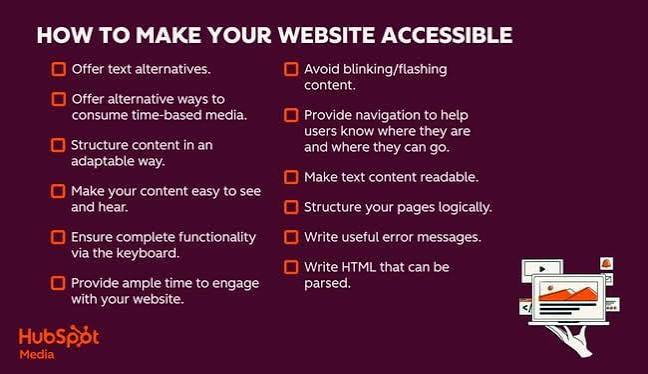
A Simple Approach to Online Accessibility
The internet has become an essential part of modern life, allowing people to communicate, shop, learn, work, and access services with ease. However, not everyone experiences the web in the same way. Millions of users have disabilities that make it difficult to navigate websites that are poorly designed. A simple approach to online accessibility ensures that digital content is available to everyone, regardless of their physical or cognitive abilities. Businesses, organizations, and website owners can improve user experiences by following accessibility best practices from the beginning. Learning about accessibility can also help website owners improve usability and reach a wider audience. Platforms like qqmacan demonstrate how proper linking practices can be incorporated naturally into web content while maintaining readability and user engagement.
What Is Online Accessibility?
Online accessibility refers to the practice of designing websites, applications, and digital content so that everyone can use them effectively. This includes people with visual, hearing, motor, cognitive, and neurological disabilities. Accessibility is not just about meeting legal requirements; it is about creating an inclusive digital environment where all users have equal opportunities to access information and services.
Accessible websites provide features that make navigation easier for everyone. For example, users who rely on screen readers need descriptive text for images, while those with limited mobility may depend entirely on keyboard navigation. When websites are built with accessibility in mind, they become easier to use for all visitors.
Why Accessibility Matters
Accessibility benefits individuals, businesses, and society as a whole. People with disabilities represent a significant portion of the global population, and excluding them from online experiences creates unnecessary barriers. Inclusive websites allow everyone to participate equally in education, employment, healthcare, and entertainment.
Businesses also benefit from accessible design. Websites that are easy to navigate often have lower bounce rates, higher customer satisfaction, and improved search engine rankings. Search engines appreciate well-structured content, descriptive headings, and meaningful alternative text, which are all components of accessible design.
Furthermore, accessibility demonstrates social responsibility. Companies that prioritize inclusion build stronger relationships with customers and establish a positive brand reputation.
The Principles of Accessible Design
A simple approach to online accessibility starts with understanding four fundamental principles:
Perceivable
Users must be able to perceive the information presented on a website. This means providing text alternatives for images, captions for videos, and sufficient color contrast for readable text.
Operable
Users should be able to navigate the website using different input methods, including keyboards, assistive technologies, and voice commands. Interactive elements should be easy to identify and operate.
Understandable
Content should be clear, readable, and predictable. Consistent navigation, simple language, and logical page structures help users understand information more easily.
Robust
Websites should be compatible with current and future assistive technologies. Following recognized web standards helps ensure long-term accessibility.
Use Clear and Simple Language
One of the easiest ways to improve accessibility is by writing in plain language. Complex sentences and technical jargon can confuse readers, especially those with cognitive disabilities or limited language proficiency.
Simple language includes:
- Short paragraphs
- Clear headings
- Familiar vocabulary
- Direct instructions
- Logical organization
Readable content benefits everyone, including users accessing websites on mobile devices or those reading quickly.
Organize Content with Proper Headings
Headings provide structure and guide readers through a page. They also help screen reader users understand the organization of content.
A good heading structure includes:
- One main title
- Clearly defined section headings
- Consistent hierarchy
- Descriptive labels
Avoid skipping heading levels because this can make navigation confusing for assistive technology users.
Add Alternative Text to Images
Images should include alternative text, commonly called alt text, that describes their purpose or content. Screen readers announce this text to visually impaired users.
Effective alt text should:
- Describe important visual information.
- Be concise.
- Explain the image’s purpose.
- Avoid unnecessary wording.
Decorative images that do not provide meaningful information can use empty alt attributes so screen readers skip them.
Ensure Good Color Contrast
Many users have low vision or color blindness, making poor color combinations difficult to read.
To improve readability:
- Use dark text on light backgrounds or vice versa.
- Avoid relying only on color to communicate information.
- Test contrast levels before publishing.
Strong contrast benefits users in bright sunlight, on older monitors, and on mobile devices.
Make Keyboard Navigation Easy
Not everyone uses a mouse. Many individuals navigate websites using keyboards or assistive devices.
Keyboard accessibility requires:
- Visible focus indicators
- Logical tab order
- Accessible menus
- Functional forms
- Keyboard-operable buttons
Testing navigation without a mouse helps identify usability issues.
Create Accessible Forms
Forms are essential for registrations, purchases, and contact pages. Poorly designed forms often create unnecessary frustration.
Accessible forms should include:
- Clearly labeled fields
- Helpful instructions
- Error messages that explain corrections
- Keyboard accessibility
- Logical field order
These improvements reduce user errors and increase completion rates.
Use Readable Fonts
Typography plays an important role in accessibility.
Best practices include:
- Easy-to-read fonts
- Adequate font size
- Proper spacing
- Responsive scaling
- Consistent formatting
Avoid decorative fonts for body text, as they may reduce readability.
Include Captions and Transcripts
Video and audio content should be accessible to users with hearing impairments.
Helpful additions include:
- Closed captions
- Audio transcripts
- Descriptive audio when appropriate
Captions also benefit users watching videos in noisy or quiet environments.
Design for Mobile Accessibility
Many users access websites using smartphones and tablets. Mobile accessibility ensures content remains usable across different screen sizes.
Responsive design should include:
- Flexible layouts
- Large touch targets
- Readable text
- Scalable images
- Simple navigation
Mobile-friendly websites generally provide a better experience for all users.
Avoid Automatic Content Changes
Unexpected pop-ups, autoplay videos, or automatically changing content can confuse users, especially those relying on assistive technologies.
Whenever possible:
- Allow users to control animations.
- Provide pause buttons.
- Avoid flashing content.
- Let users initiate actions.
Giving users control creates a more comfortable browsing experience.
Test with Real Users
Accessibility testing should not rely solely on automated tools. Real users with disabilities provide valuable insights that software cannot detect.
Testing methods include:
- Keyboard-only navigation
- Screen reader testing
- Mobile device testing
- User feedback sessions
- Accessibility audits
Regular testing helps identify issues before they affect visitors.
Accessibility and Search Engine Optimization
Accessibility and SEO often complement each other. Many accessibility improvements also make websites easier for search engines to understand.
Shared benefits include:
- Better heading structure
- Meaningful link text
- Faster loading pages
- Image descriptions
- Improved navigation
By improving accessibility, website owners often see gains in visibility and user engagement.
Common Accessibility Mistakes
Even experienced developers sometimes overlook accessibility basics.
Frequent mistakes include:
- Missing image descriptions
- Poor heading organization
- Low color contrast
- Unlabeled form fields
- Small clickable buttons
- Keyboard navigation problems
- Autoplay media without controls
Addressing these issues significantly improves usability.
Accessibility Is an Ongoing Process
Accessibility is not something completed once and forgotten. Websites evolve with new content, features, and technologies. Regular reviews ensure accessibility standards continue to be met.
Organizations should:
- Train content creators.
- Review new pages before publishing.
- Monitor accessibility feedback.
- Update older content.
- Stay informed about evolving standards.
Continuous improvement helps maintain an inclusive online experience.
Conclusion
A simple approach to online accessibility begins with thoughtful design, clear content, and a commitment to inclusion. Small improvements—such as using descriptive headings, providing alternative text, ensuring keyboard navigation, and maintaining good color contrast—can make a significant difference for millions of users. Accessibility benefits everyone by creating websites that are easier to understand, navigate, and interact with across all devices and abilities. As the digital world continues to grow, making accessibility a standard practice is not only the right thing to do but also a smart investment in better user experiences, stronger engagement, and broader reach. By embracing accessible design from the start, website owners can create a more welcoming internet that serves every visitor equally.
Related Article